


Description
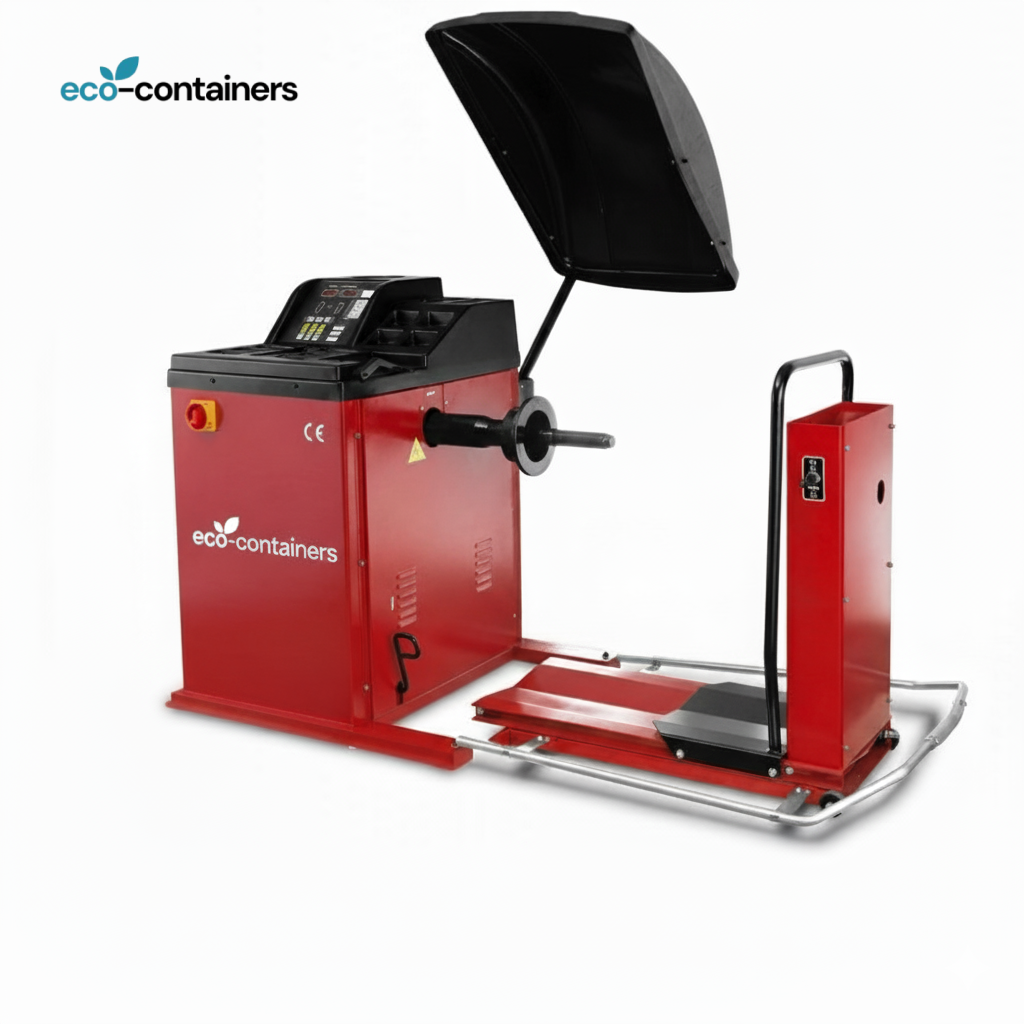
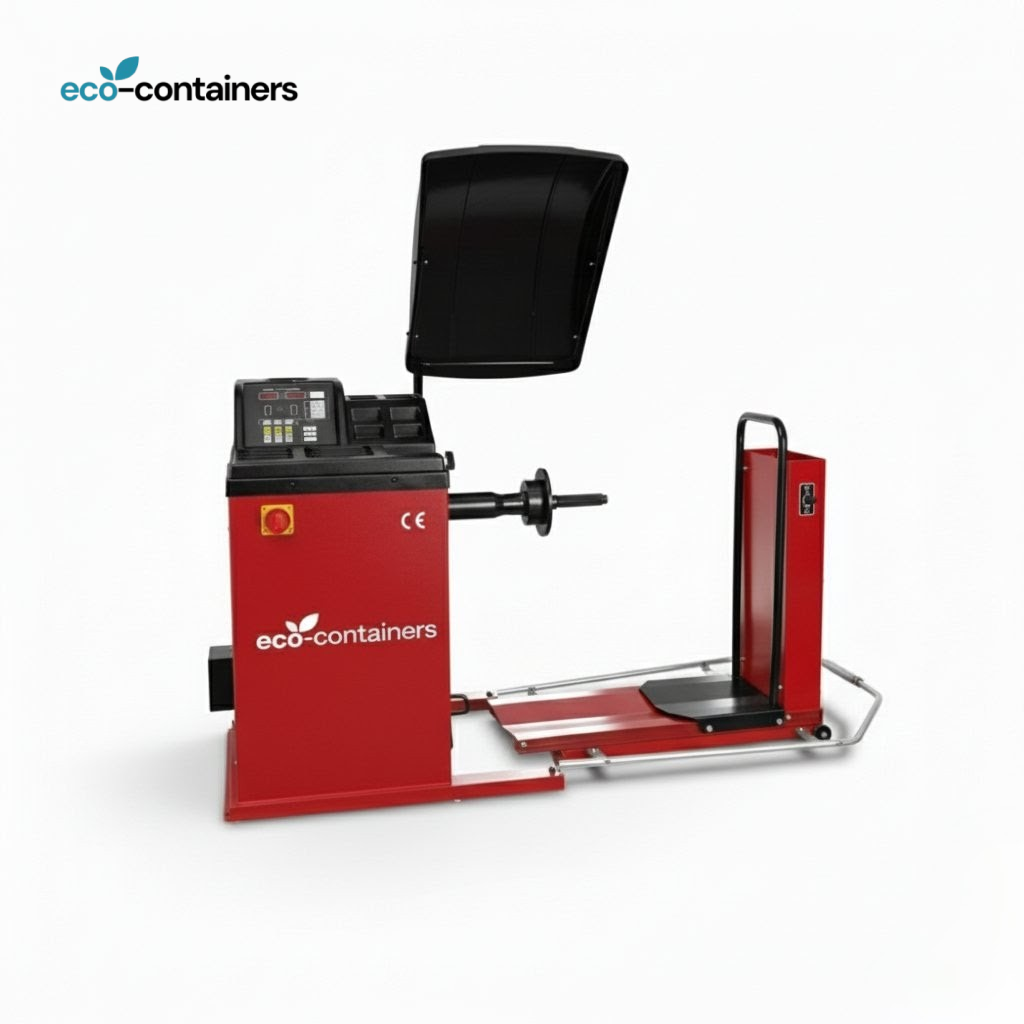
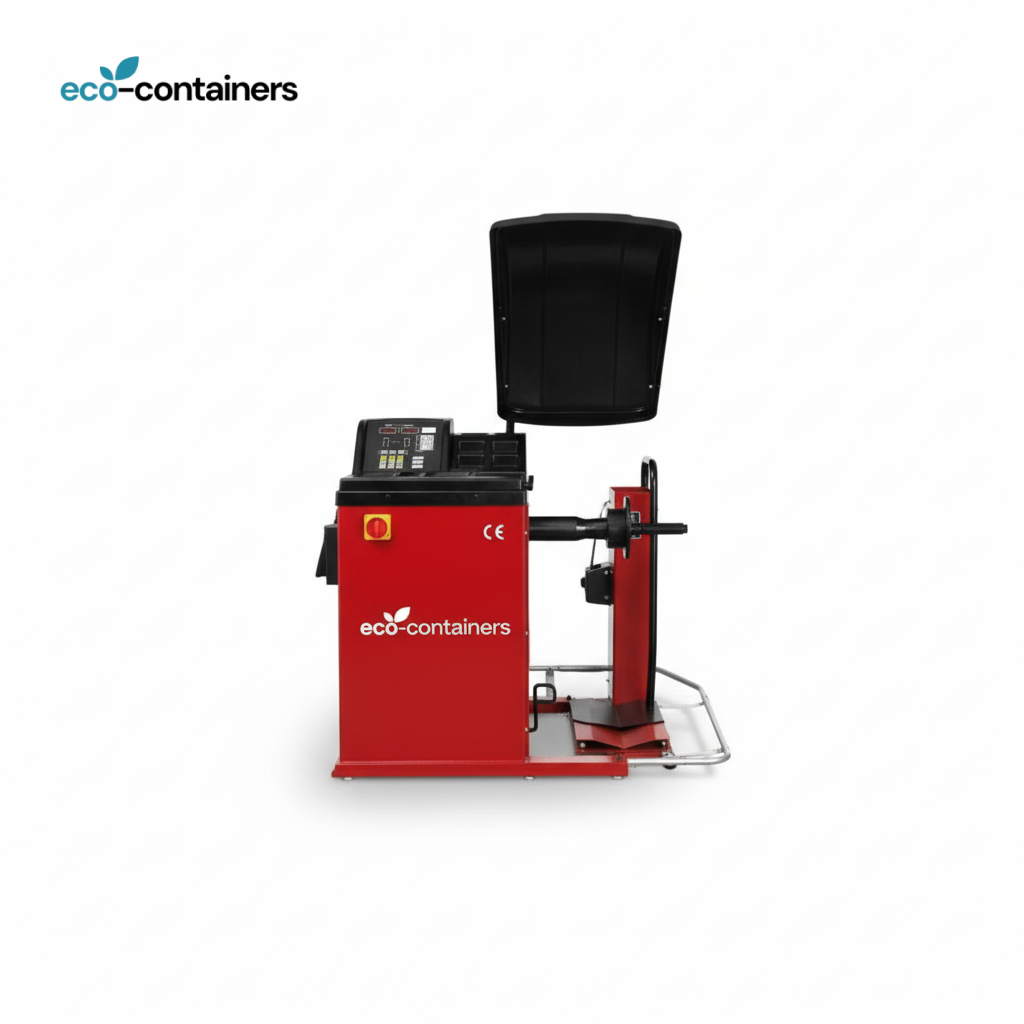
This equipment features a central high-precision spindle where the wheel is mounted and secured with a quick-release hub nut. The machine uses a spin cycle (often automatic upon lowering the protective hood) and sensitive internal sensors to calculate the location and magnitude of both static and dynamic imbalances. The results are displayed digitally on the control panel, guiding the operator to place the correct weight (clip-on or adhesive) on the exact points of the rim required to achieve perfect balance. The model shown includes a wide base and a standard protective hood.
Key Features
-
Digital Display: Features an LED or LCD screen for clear, precise indication of imbalance weight and position.
-
Multiple Balancing Modes: Includes settings for standard steel wheels, various aluminum alloy wheel types (stick-on weight placement), and static balancing.
-
Automatic Data Entry (Partial): The machine often automatically measures the wheel diameter and can be manually or semi-automatically programmed for rim width and distance from the machine.
-
Protective Hood: The safety hood shields the operator from the spinning wheel and automatically initiates the balancing cycle when lowered.
-
Self-Calibration and Diagnostics: Built-in functions allow the operator to periodically calibrate the machine for ongoing accuracy and diagnose potential issues.
-
Brake Function: Automatically brakes the wheel in the precise position where weights need to be applied for easy placement.
Technical Specifications (Typical for Digital Models)
| Feature | Detail |
| Max Wheel Weight | 140 – 160 lbs (approx. $63 – 72$ kg) |
| Rim Diameter Range | 10″ to 24″ (inches) |
| Rim Width Range | 1.5″ to 20″ (inches) |
| Balancing Precision | $\pm 1$ gram (g) |
| Cycle Time | 7 – 10 seconds |
| Power Supply | 110V or 220V Single-Phase |
| Motor Power | 0.20 kW to 0.50 kW |
| Max Spinning Speed | $\sim 150 – 200$ RPM |
Best Uses
-
New Tire Installation: Essential step after mounting a new tire to ensure vibration-free driving.
-
Tire Rotation/Remounting: Balancing is recommended whenever tires are moved, remounted, or repaired.
-
Diagnosing Vibrations: Used to determine if vehicle vibrations are caused by wheel imbalance.
Best For
-
Tire Shops and Quick Lube Centers: High-volume operations requiring fast, accurate balancing.
-
General Auto Repair Garages: A necessary tool for any shop that performs tire service alongside other repairs.
-
Home/Hobby Garages: Serious enthusiasts who frequently change wheel/tire setups.